Example 1 — Build the standard
Click each step in the right order. Times appear as you place them.
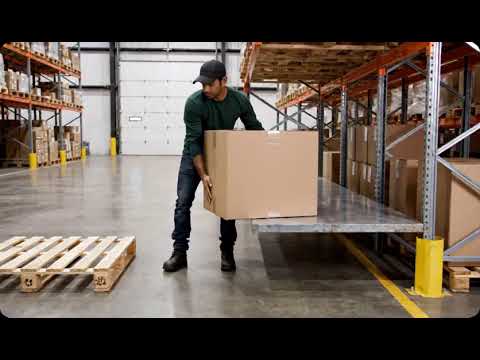
Choose a step
Standard table
| # | Step | Seconds |
|---|---|---|
| Total | — | |
Make a prediction
Same task. But the pallet is now two steps away. How long should it take?
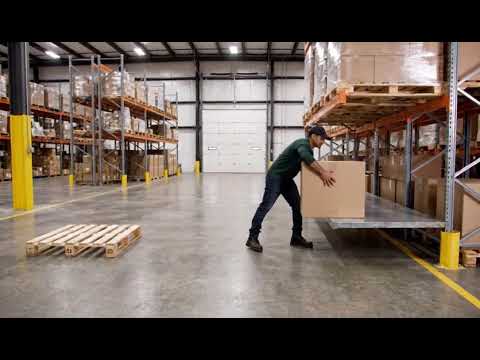
Here's what 1,000 people guessed before you:
Example 2 — Build the standard
Click each step. Then set the right frequency for each. Which steps actually happen more than once?
Choose a step
Standard table
| # | Step | Freq | Sec |
|---|---|---|---|
| Total | — | ||
The reveal
Doubling the distance does not double the time.
Your estimate
—
Actual standard
4.43 sec
Only the WALK happens twice. The operator still grabs the box once. Slides once. Lifts once. Places once. That's why the standard goes from 3.18 sec to 4.43 sec — not 6.36 sec.
⚠ The standard is built for safety and accuracy
You may have noticed the standard includes SLIDE and RE-GRASP — steps you could technically skip on the floor. They're there on purpose. The standard gives you time to handle the box safely and accurately. Skipping them is faster in the moment — but it leads to dropped boxes, strained backs, and damaged product. The standard isn't pushing you to rush. It's giving you time to do the job right.
The supervisor lens
When an operator says "the standard is unfair, I have to walk further" — they're doing this same intuitive doubling. Most performance gaps aren't about effort. They're about method or knowledge.